The Amazon Cloud Technologies (AWS) launched the Kiro preview on 14 July, an AI-driven Integrated Development Environment (IDE) designed to address the pains of traditional software development, such as vague demand, technical debt accumulation, and unsynchronized documentation and code. The core concept is to ensure code quality and maintenance by combining ” vibe-driving ” (vibe coding, fast-generation prototype code based on natural languages) with production-level development needs.
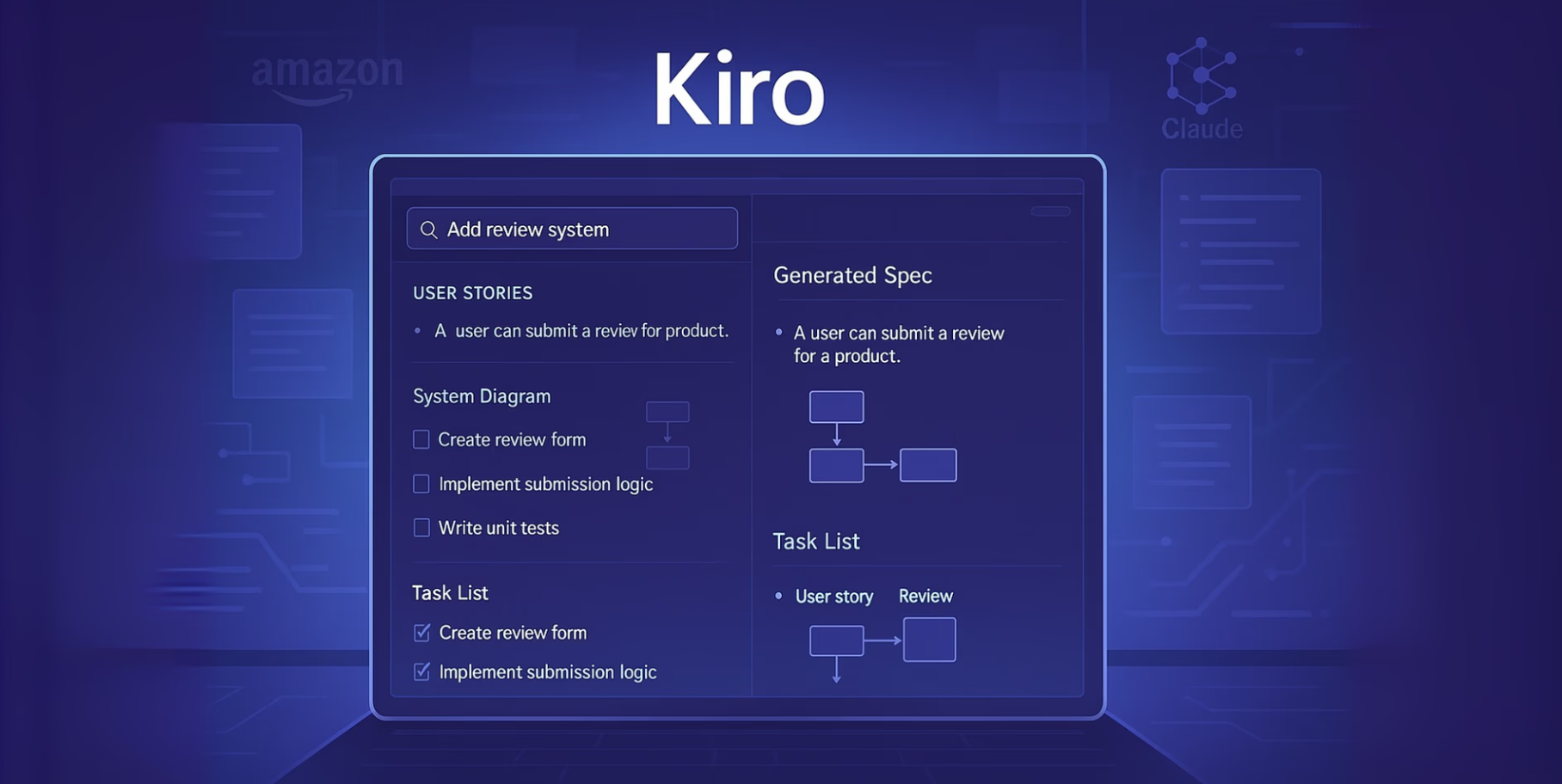
Kiro’s Specs function breaks down the natural language tips entered by the developers into structured components, including generating detailed user stories, acceptance standards in EARS format, and covering marginal cases. Automatically generate data flow maps, API endpoint design, etc. to ensure that the design is aligned. Disassembly demand into taskable, with test and accessibility requirements. Specs keeps up with the code library, and when the developer changes the code, Kiro can automatically update the document, or the developer can manually adjust the specifications to refresh the task list and solve the document lag.
Hooks is a Kiro event-driven automation function that simulates the behaviour of experienced developers and triggers AI agents to perform back-office assignments when they save, create or remove files, thus reducing the developer ‘ s burden of dealing with repetitive tasks. Examples include: implementation of module and integration tests; potential problems with scanning codes, such as performance bottlenecks or security gaps; and ensuring that codes meet accessibility and responsive design requirements. Kiro supports existing VS Code settings and plugins to lower the learning curve, based on the Open Source Framework of the Visa Studio Code. Supports text, chart, etc. input and enhances the ability of developers to express themselves. The Claude Sonet 4.0 and 3.7 models of Anthropic are currently being used, and more AI models are planned for the future. Support external tools and AI proxy integration through Modere Context Protocol to enhance outreach. The code is implemented locally and the data will not be uploaded into the cloud unless explicitly authorized. Kiro is located beyond traditional AI coding assistants (e.g. GitHub Copilot ‘ s code completion) and closer to the whole house co-developer, similar to Cursor or Windsurf.
The launch of Kiro coincided with the launch of the AI coding tool market, with the competition for a new set-up between giants such as Microsoft, Google and Cursor, Windsurf and others. Matt Garman, CEO of AWS, stated that the AI tool could change the way future developers coded, and that Kiro’s goal was “to make developers less code-readers, more AE6B but more multi-structured and more efficient”. Unlike Amazon Q Devloper, which focuses more on code advice within the AWS ecology, Kiro supports cloudy environments as a stand-alone platform, demonstrating broader AWS market ambitions. However, some users feedback Kiro is under-optimised in non-English-language settings such as Chinese, and Kiro ‘ s IDE mono-competition may face challenges compared to Cursor ‘ s walk-in agency function.

Related Posts