
The poaching has now been launched in Thai to further accelerate its global expansion. According to official data, the Thai version has been online for more than a month and the number of new users in Thailand has grown by nearly 60 per cent over the same period. Following the launch of the Russian version in Kazakhstan in May 2025, the multi-language version was re-published in only two months, demonstrating the rapid advance of its maritime access strategy.

The Thai version of the interface was launched on May 28, 2025, allowing Thai users to view goods in Thai, view prices and complete transactions, thereby significantly improving the localization of shopping experience. Free cross-border distribution of 99 yuan (about 450 baht) is available for orders, and a 15-day return service is available in Thailand to enhance consumer confidence.
As a well-developed electrician town in South-East Asia, Thai users will thus gain a more friendly and visual home-grown shopping experience. The size of the Thai electrician market is expected to reach $30 billion in 2025, and poaching quickly captures market share through the Thai version. Pongtakorn Onwan, the Thai treasurer, said: “The Thai version is an important response to the needs of Thai users and will continue to optimize localization in the future.”
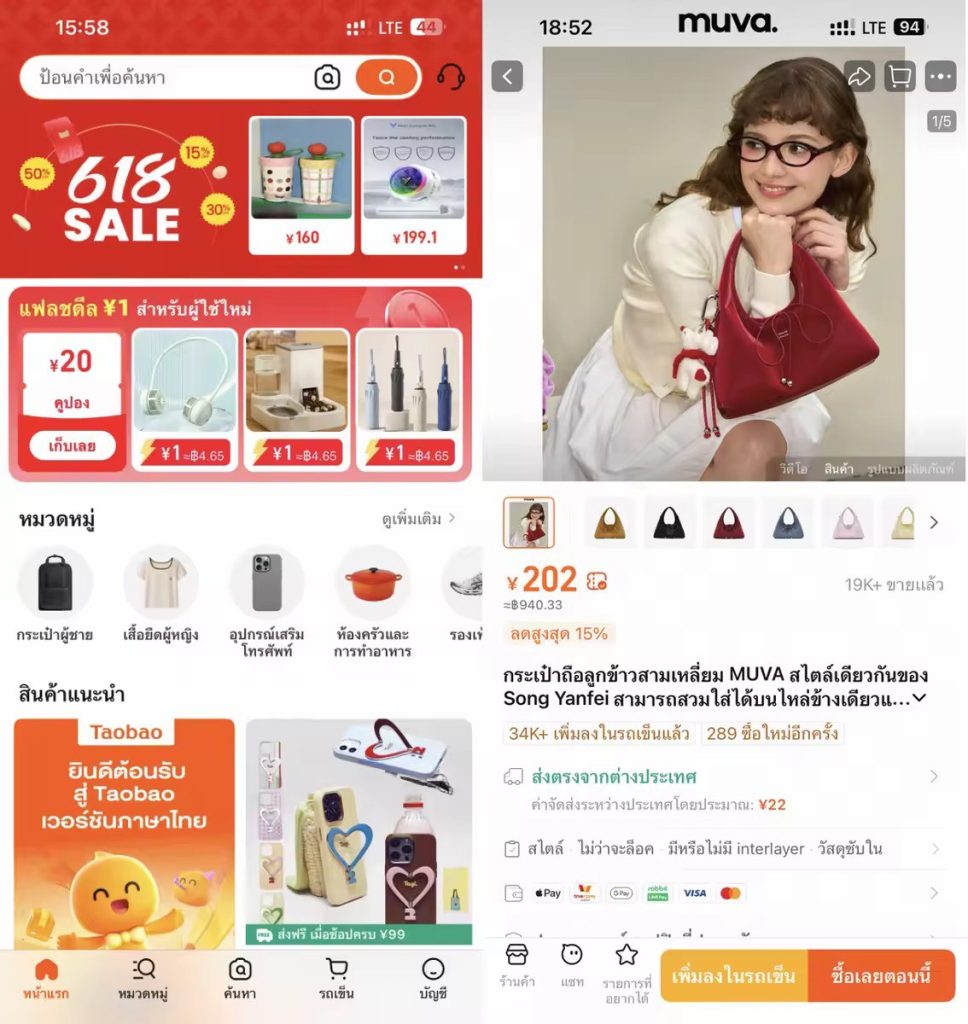
Authoritative analysis shows that, as of March 2024, poaching and its branded flagship platform Skycats together constitute the largest digital retailing of total global merchandise transactions (GMVs). The upgrading of the Thai-language interface is a key feature of the globalization strategy for the continued expansion of the global community of users, using advanced AI technology for multilingual support.
On 15 May 2025 in Kazakhstan, poaching was launched in Russian as its first multilingual version for the non-English-speaking market. According to EqualOcean, 70 per cent of new user orders came from Russian users within a week of the Russian version being online, an increase of 47 per cent in the conversion rate. The success of its internationalization strategy was demonstrated by the increase of nearly 60 per cent in the number of new users in Thailand and the 47 per cent increase in the conversion rate of the Russian-language first-month order in Kazakhstan. Price advantages, social media marketing, logistics optimization and AI translation are central drivers of growth.

Related Posts