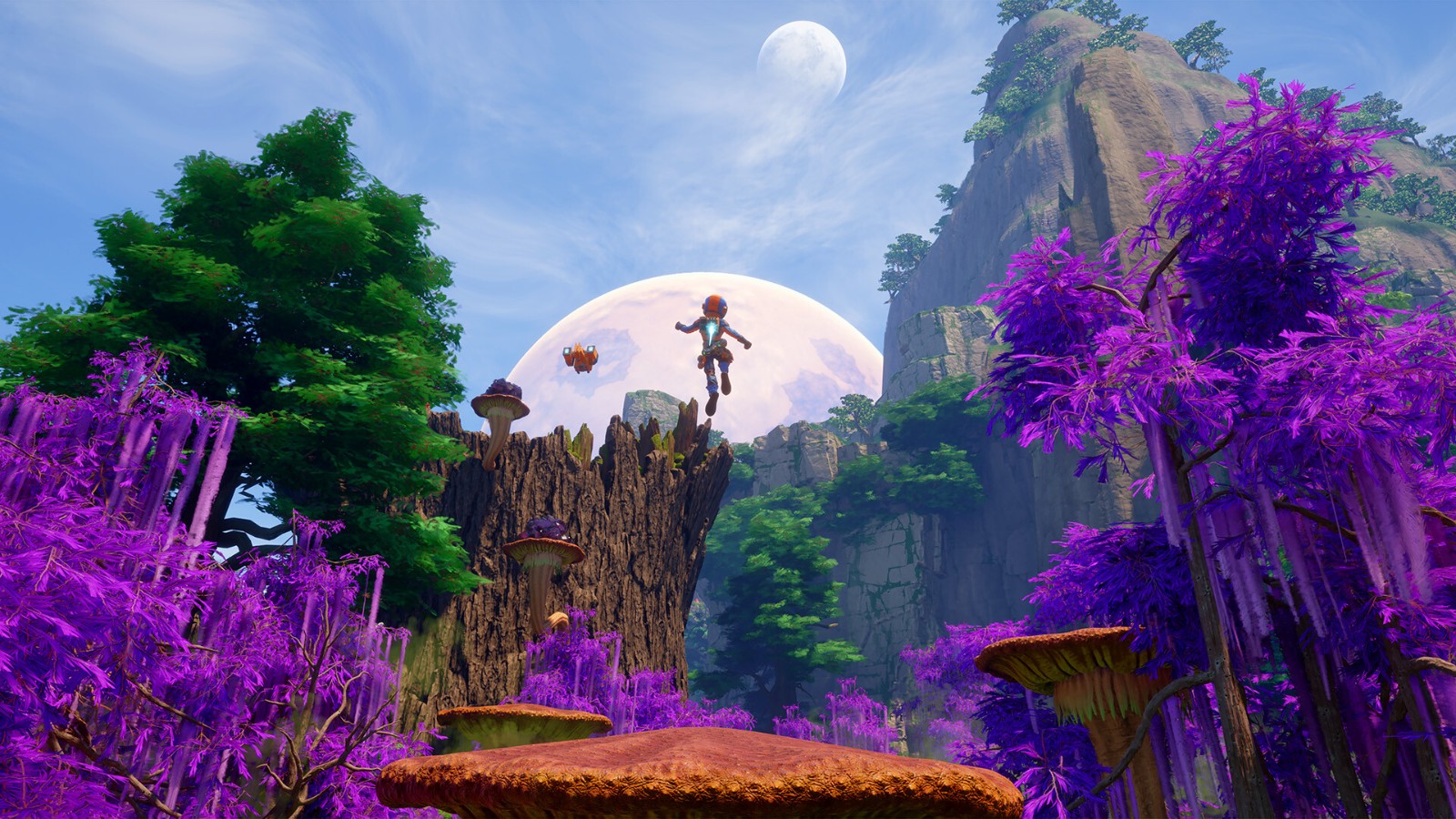
The third person, Revenge of the Savage Planet, was released in May of this year to enjoy the expat world exploration experience with Steam, Metacritic, both home-based and host-based media, and the development team, Raccoon Logic, revealed that the real gains were far from what was expected. One of the perpetrators was Xbox Game Pass.
In an interview with the media FRVR, Alex Hutchinson, who was the creative director, said that the Microsoft Subscription Service (Game Pass) did make the game more accessible, but did not bring tangible benefits.
“We have millions of players, which looks great, but modern people’s expectations of “free content” are too high, whether through Game Pass or other services, which makes the game much less cash than expected and dangerous for developers.”
Hutchinson stressed that the production costs of the Wild Planet Revenge were not low and that the main source of funding was Tencent, and that the team had to repay the advance before it could be rewarded. “This game is not entirely self-receiving for us, and the great exposure of Game Pass has not been translated into sales.”
The fact that the team was hoping to buy the expanded “Cosmic Hoarder” at $10 for a free-of-charge player through Game Pass was disappointing.
“The DLC’s rate of binding is terrible, which proves that if you give the game free, you teach the player not to pay.”
The original Raccoon Logic idea was to let a subscriber play free of charge, experience satisfaction and pay for a DLC, so Game Pass’s DLC buy rate is the worst data they’ve ever seen.
Hutchinson points out that players who buy the game are usually buying the DLC, but “who doesn’t pay to play the game, does not buy anything.”
Hutchinson argues that the low-cost and smooth play phenomenon is placing the whole game industry in a “hot competition” and that, as subscription services, time-limited free games, and preferential activities with fractured bones become widespread, developers have to compete not only with other studios, but also with their own family.
“In the past, there was a clear leap in technology and images between the generations of the hosts, and the old games could not run on new platforms, so the players would have preferred to buy new ones.”
“But now there’s a downside compatibility, subscriptions and a culture of continuing free games, and there’s always old work on Steam. This is the golden age of the volume and quality of the game for the player, but for the developer it is extremely difficult to break through the fence.”
It is noteworthy that not all game developers believe that Game Pass will lead to a decline in sales, and independent game distributor Director General No More Robots Mike Rose once stated that Game Pass did increase their game sales in the early days until, in recent years, more and more people in industry have begun to question its long-term effects.
Former Vice-President of the Global Xbox, Pete Hines, recently confessed to the high play rate of Game Pass, often at the expense of retail revenue. Even Microsoft itself admitted that the company lost about $300 million in sales when it incorporated Game Pass in 2024, perhaps the main reason for the dramatic price increase in Game Pass in October this year.

Related Posts