Hike was one of India ‘ s most valuable start-up companies, and it has been the victim of the recent ban on genuine gold games in New Delhi, which is now closed down by the son of Kevin Bharti Mittal, founder of Airtel.
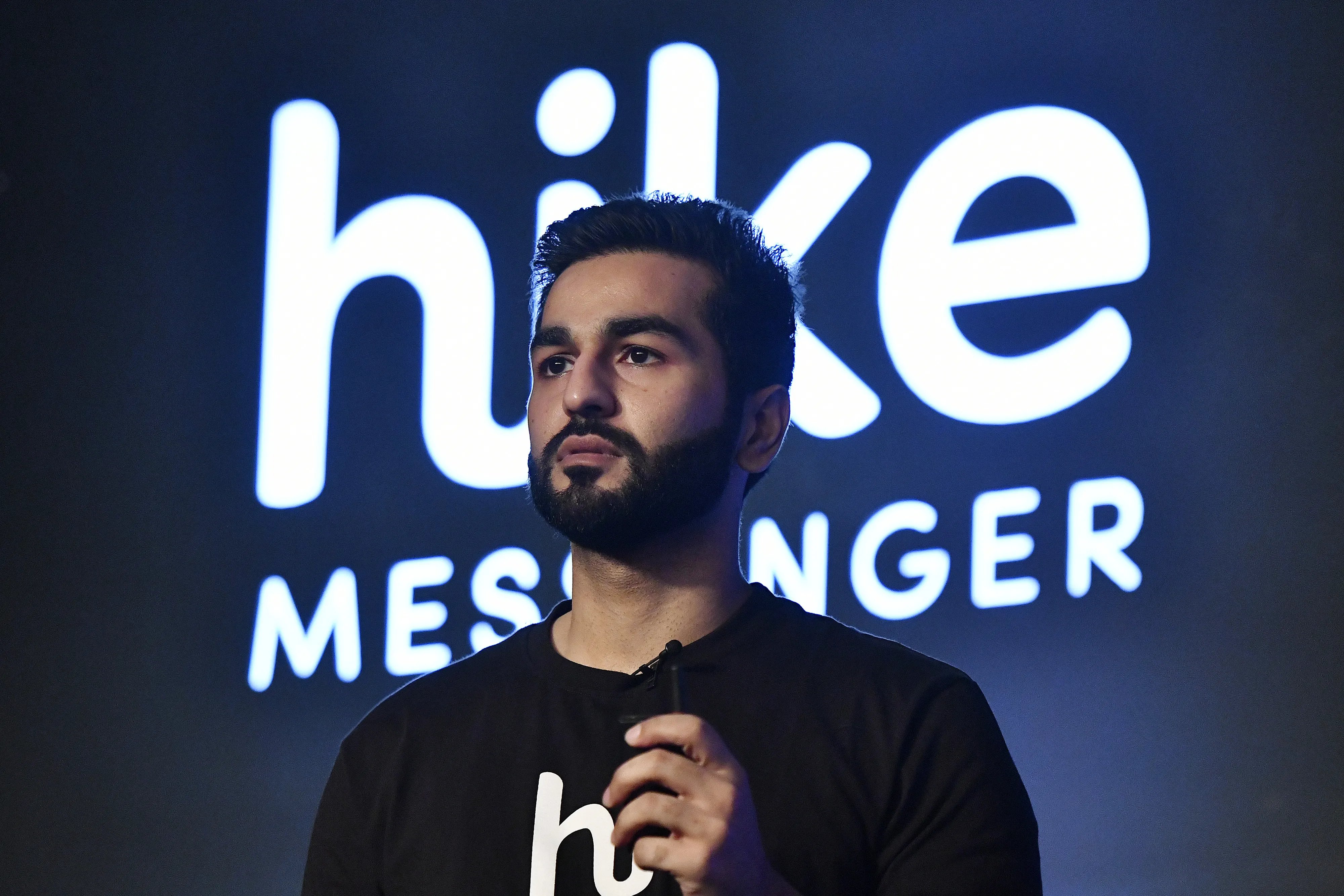
On Saturday, the founder of Hike, Mittal (see figure above), stated that the start-up company’s United States business, which had begun nine months earlier, “had made a good start”. He said, however, that its expansion on a global scale would require “a comprehensive review that this is not the optimal use of capital or the replacement of time”.
Hike was initially online in 2012 as an instant news application for the WhatsApp competition, but in recent years it has been closely associated with the genuine gold game, whose main platforms, Rush, Carrom and Ludo, are leisure games for cash incentives. After the closure of Messenge in 2021, Rush attracted more than $500 million in user spending and generated more than $500 million in income and more than four years of continuous profit.

Legendary investors, including Tiger Global, Softbank and Tencent, supported Hike’s early ambitions and youth-centred messaging applications to take over WhatsApp. The original firm was valued at $1.4 billion in 2016.
“We can raise funds, but the real question is: is it all worth it? Is it worth the good offices?” Mittal wrote in his post: “This is the first time in 13 years, and my answer is no. Not for me, not for my team, not just for our investors.”
Last month, the Government of India shocked the $23 billion online gold game industry by introducing the Online Games Act 2025, which imposed a cover-up ban on such platforms. The Federal Government indicated that the decision was intended to address social hazards, including reports of suicides by players addicted to the gold game after being under pressure from financial loss.
In response, industry giants, including Dream Sports and Mobile Super League (MPL), began to shut down the real gold game in India. While some have begun to transform new types of enterprises, such as micro-spheres and financial services, others have begun to explore international markets to keep part of their game business dynamic.
The ban has also triggered a wave of layoffs, as reported by companies such as Games 24×7, Head Digital Works, MPL and Zupee, about 2,000. Sources told TechCrunch that some of them were planning to reduce their workforce by 90 per cent when trying to adapt or evacuate the market.
According to sources, some of the venture capital companies that supported these start-ups also questioned whether their founders had any early signs of regulatory action and, if so, why no measures had been taken to mitigate the impact.
Earlier this week, the Supreme Court of India filed all petitions challenging the new law from several state courts across the country. However, the Supreme Court has not yet begun to consider the matter.
Mittal wrote: “This is both disappointing and a difficult outcome. But I chose to look at the bright side: the accumulated experience and knowledge are priceless, and my faith in what follows is stronger.”

Related Posts