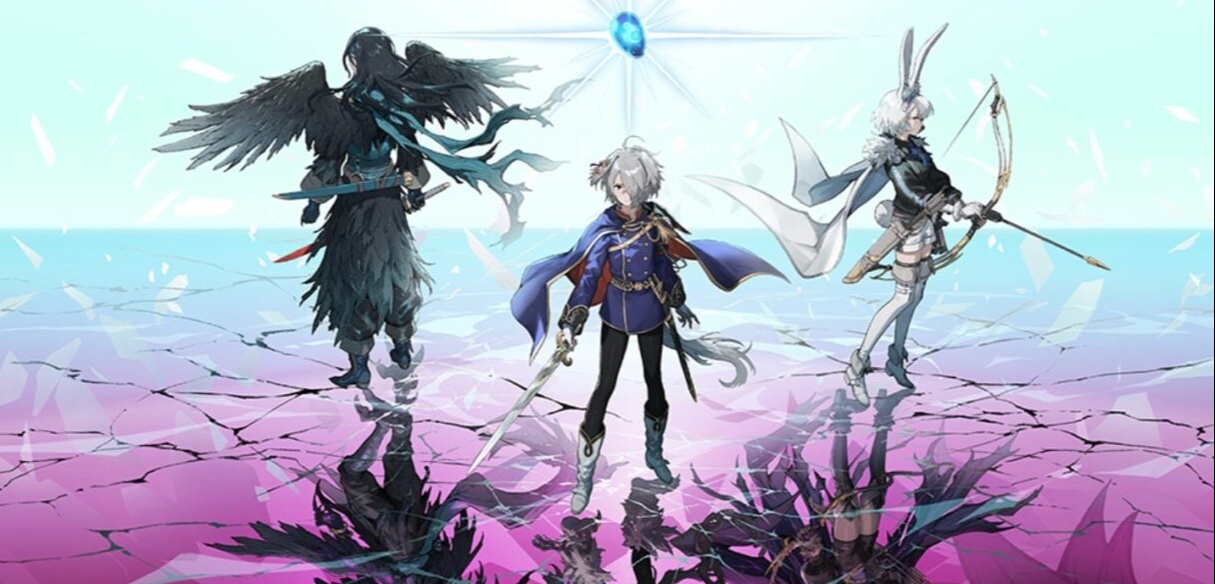
Nintendo’s brand-new hand-drive, The Flaming Seal: Shadow, was recently released as a derivative of the Flaming Seal series, adding a whole new play to the past. However, according to the latest report published by the mobile game data company Appfigures, Shadow’s opening performance was far from what was expected. Flaming Seal: The Shadow came online on 24 September at the iOS and Android platforms in Global Synchronization, intended to be a real-time, tactical social mix of “surprise” fans, but was caught in cold hands: some 518,000 installed the previous 10 days, with only $107,000 in revenue, and an average download cost (CPI) of $0.21.
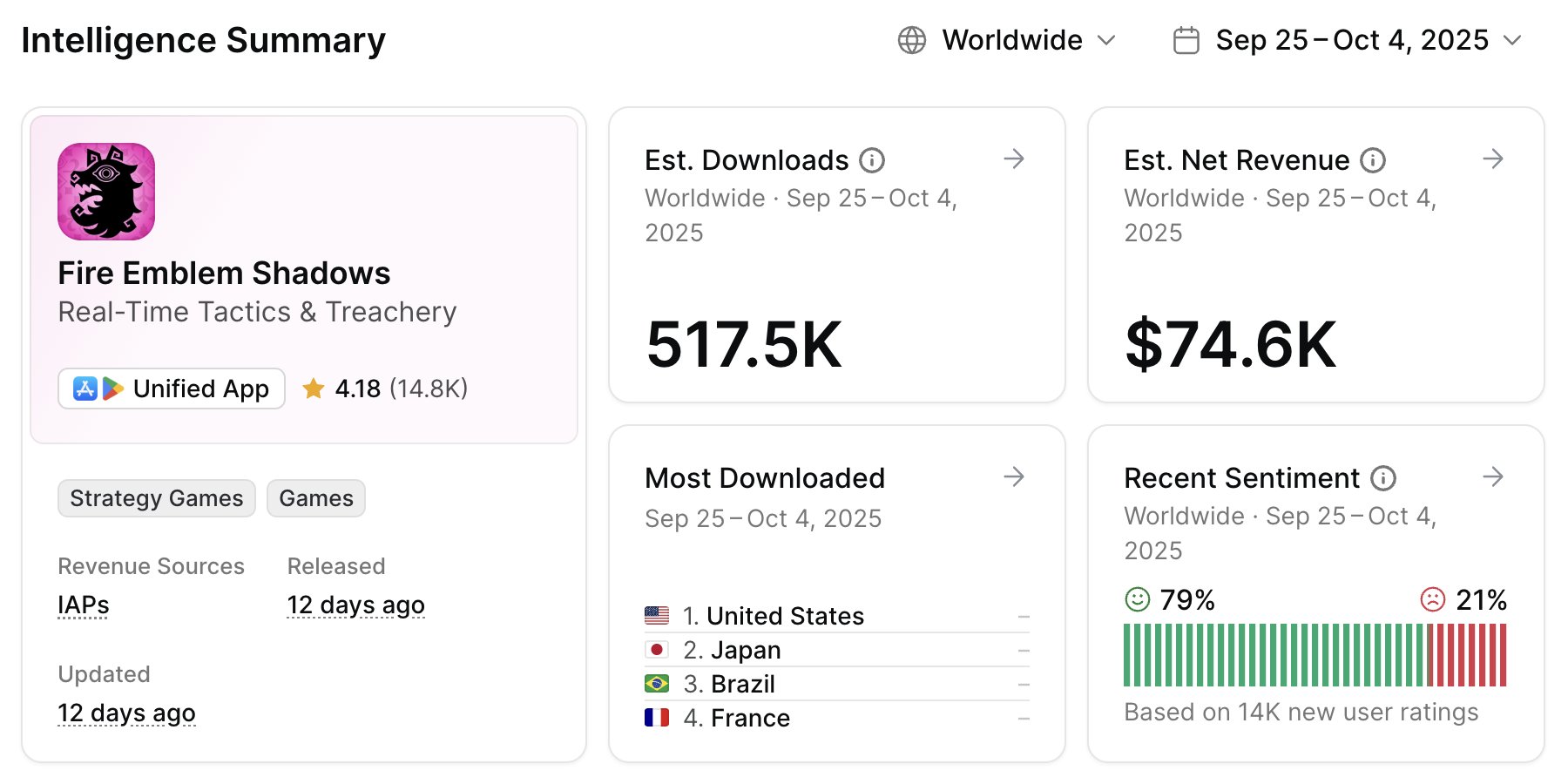
In contrast, the launch of the Flaming Seal: Heroes in 2017 resulted in 2.3 million (4.5 times) and $5.3 million (49 times) of expenditure over 10 days, with a single download yielding $2.31, or 11 times the income of each download to date. As the latest attempt by Nintendo to swim hand-in-hand, The Shadow, which should have continued the myth of Heroes, fell into the streets because of its shallowy, monetized radicalization and weak social mechanisms.
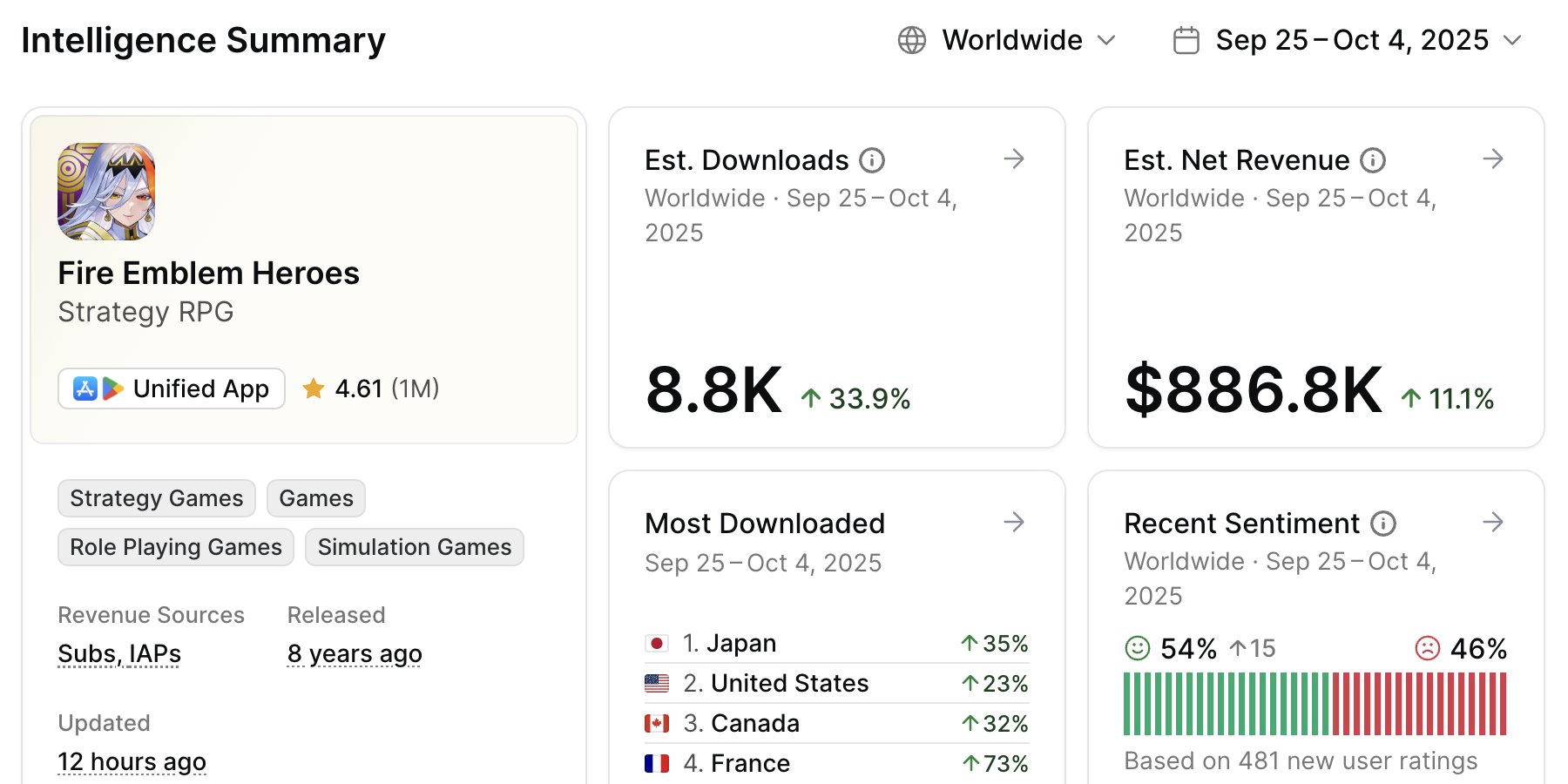
Appfigures estimates are based on global App Store and Google Play data and cover free download + in-house purchase patterns. In the first week of the Shadow, iOS earned about $90,000, Android contributed $17,000, and the United States market accounted for 45 per cent of all downloads. Appfigures. It is worth mentioning that Heroes’ cumulative income to date is over $1 billion, that active monthly users have stabilized at 5 million, and that The Shadow has been downloaded or stopped 1 million times in the first month, highlighting the new “water and soil dispute”. The cold start of Shadow is not an accident, but a combination of multiple factors. The game combines real-time tactics with social “back-stabbing” elements, inspired by the “Among Us” multiplayer, but poorly implemented: short access points, a lack of role banks (with only 20 heroes first) leading to a rapid loss of players. Nintendo’s “surprise” online strategy, which was intended to create the subject, was downloaded only 100,000 times in the first day, far below expectations, owing to a lack of pre-hot propaganda.
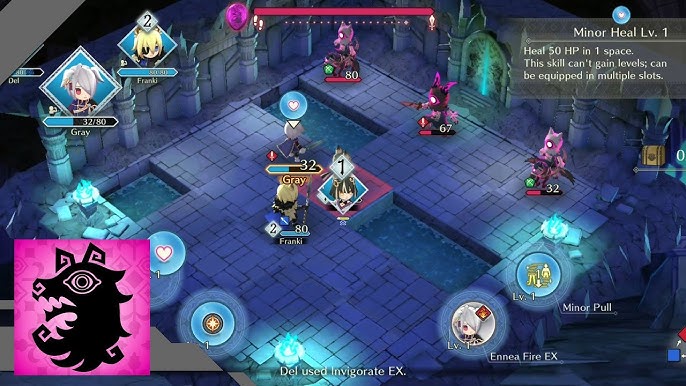
The aggressive Gacha card and material collection requires kryptonite to unlock the core hero, and the ARPU lows reflect a weak willingness to pay. Player feedback says “like a broken mobile game” and social experiments, though innovative, match the long, small player base and experience the deep, single-person depth of “heroes.” In addition, Nintendo’s ecological fatigue has been evident: the Mariosai Tour and the Animal Sensor: Pocket Camps have been hard to recover since Flaming Flames: Heroes, and the growing competition between IP and the market has been a deep pain.

Related Posts