
The Amazon recently announced three artificial intelligence innovations, focusing on the accuracy of distribution, demand forecasting capabilities and robot intelligence levels, aimed at accelerating package delivery and optimizing logistics processes. These systems will help the Amazon logistics network to make a qualitative leap in speed, accuracy and cost efficiency.
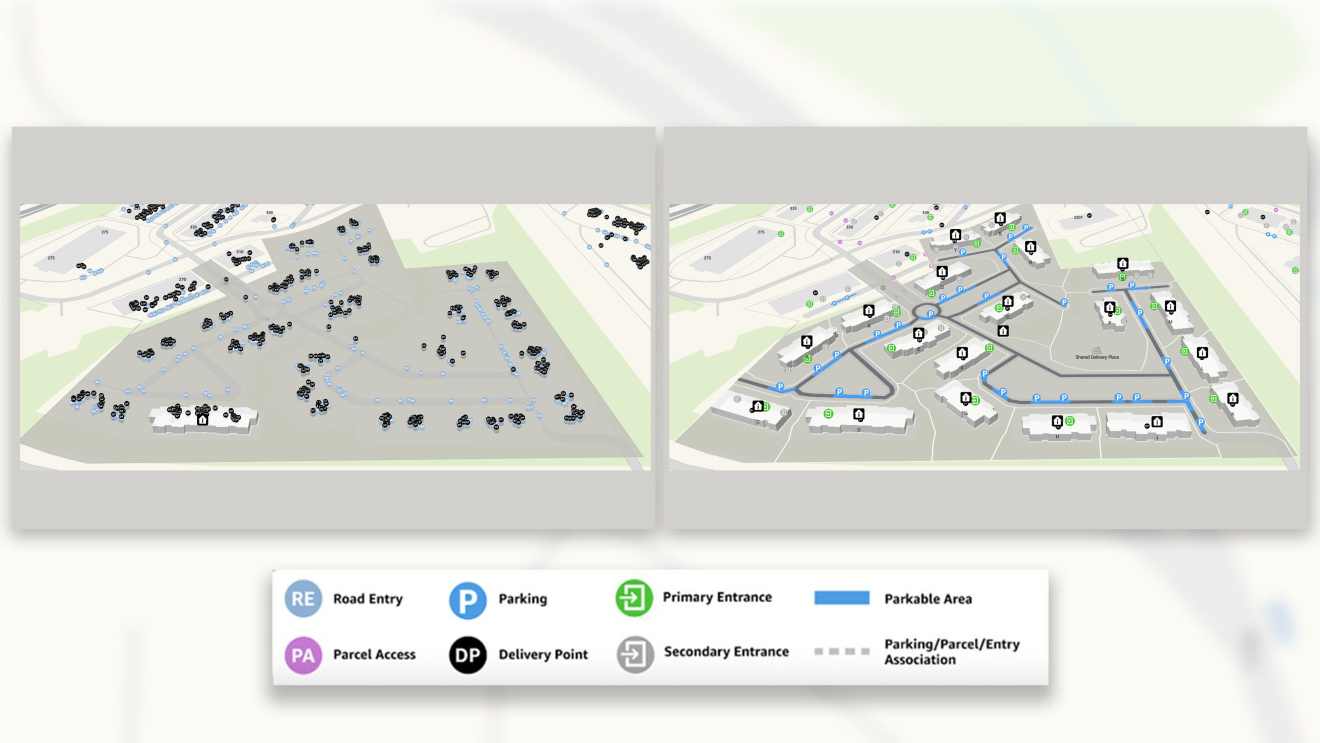
Wellspring-generated AI map technology: Create high-precision maps using generated AI to optimize distribution routes, especially in complex sites such as large office buildings or last-kilometre distribution in residential areas. It helps drivers to find accurate distribution points more quickly, reduces delays and errors and enhances client satisfaction.
AI-driven demand forecasting model: Accurate forecasting of customer demand through integration of dynamic data such as price, convenience, weather, marketing activities (e.g., Prime Day). This AI model allows for faster stock adjustments than traditional methods of forecasting, reduces shortfalls or surpluses and ensures efficient supply chain operations.
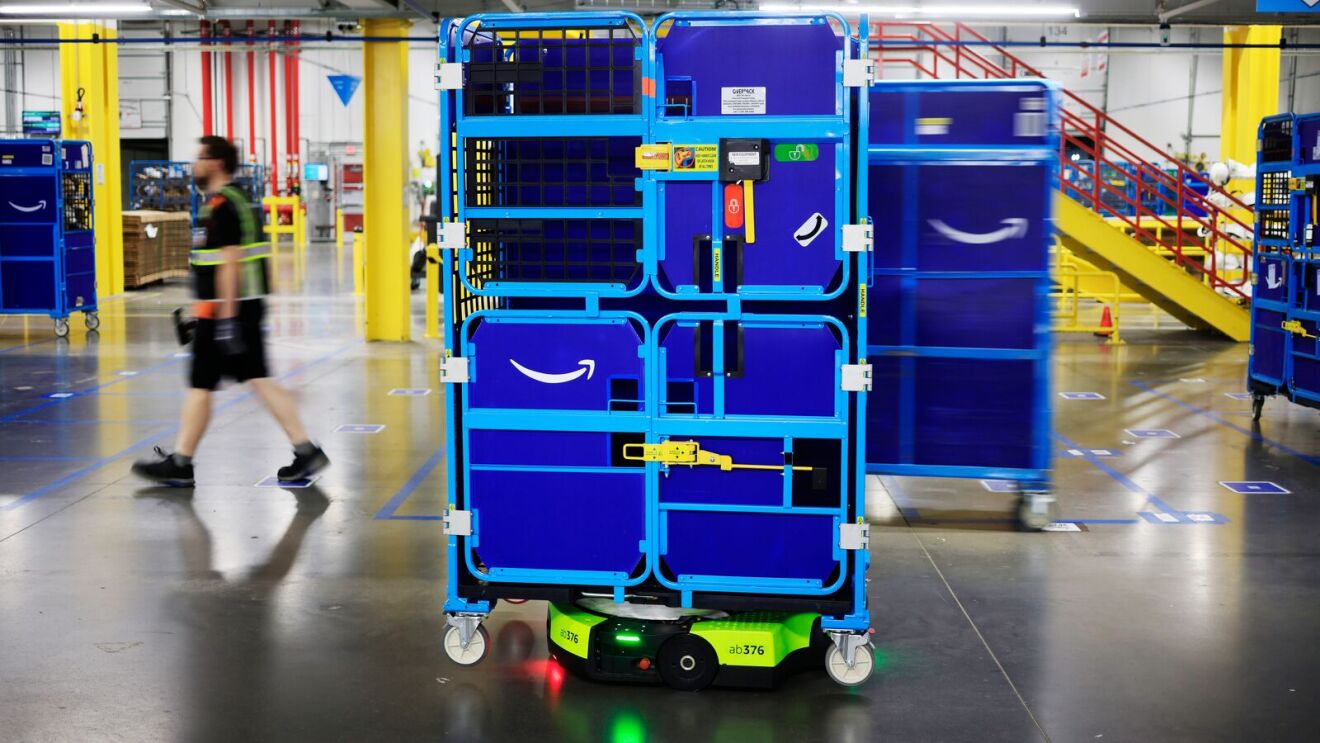
Agentic AI and Robot Intelligence: The Amazon robotic team developed an AI framework that supports natural language interaction, enabling robots such as Proteus to understand voice commands, such as “place items in left yellow boxes in grey boxes”. Such intelligent robots are able to perform sorting, packing and other tasks on their own, reducing staff duplication of work and increasing storage efficiency.
The Amazon ‘ s AI innovation directly responds to the pains of electrical logistics. Increased delivery accuracy reduces the probability that parcels will be misdelivered or lost, especially in high-density urban environments. Demand forecasting models optimize inventory management through real-time data analysis to ensure a stable supply of hot commodities at peaks. Robot intelligence has significantly improved the automation of warehouses, reduced manual intervention and speeded up order processing.
Generating AI maps and demand forecasting models can provide references to other retailers and drive industry in a data-driven direction. Advances in robot intelligence augur well for the wider application of “entity AI” and may reshape the future of storage and distribution. Morgan Stanley reported that deep-farming in the field of logistics automation in Amazonia made it a core player in this field.

Yeah.By 2025, the Amazon plans to extend these technologies to more global distribution centres, particularly in Asia and the Pacific and European markets, to support the rapidly growing demand for cross-border power suppliers. These innovations not only consolidate Amazon leadership in electricity logistics but also provide a technology-driven sustainable development path for the industry.

Related Posts